
What Makes a True Complete Adult Care Solution: Lessons from Colorado’s PACE Program

Caring for a loved one as they age isn’t just about doctor visits and prescriptions. It involves navigating medical needs, emotional well-being, transportation, social engagement, and everyday life support—a sometimes overwhelming web of services and decisions. Families and caregivers are often left wondering: What does truly holistic care look like?
That’s where integrated care models, like Colorado’s Program of All-Inclusive Care for the Elderly (PACE), start to feel like something more than a service—they become a lifeline. At its core, PACE is designed to weave together the often fragmented pieces of care into a cohesive whole. It’s one of the most compelling examples in the United States of what a complete care solution for adults can be, serving as a blueprint for communities seeking better outcomes for older residents and their caregivers.
Why Integrated Care Matters Now
The demographic shift toward an aging population is happening faster than many realize:
- The number of Americans aged 65 and older is projected to reach about 78 million by 2034, surpassing the number of adults under 18 for the first time (U.S. Census Bureau).
- Nearly one in three older adults lives with three or more chronic conditions, increasing the need for coordinated, long-term care (CDC).
- Families often juggle multiple providers, appointments, and care plans—an exhausting process without a centralized adult care solution.
These realities highlight the urgent need for care models that address medical, social, and daily living needs together, rather than in isolation.
Colorado’s PACE Program: A Model Worth Studying
The Program of All-Inclusive Care for the Elderly (PACE) is a Medicare- and Medicaid-supported care model built to help older adults remain in their communities rather than move into nursing homes.
Unlike traditional systems, PACE functions as a complete adult care solution by coordinating:
- Primary and specialty medical care
- Physical, occupational, and speech therapy
- Prescription medications
- Nutrition services and meal planning
- Transportation to appointments
- Social work and mental health support
- In-home assistance and personal care
Instead of navigating separate providers, participants receive care through one integrated team—removing confusion, duplication, and gaps in service.
What the Data Says About PACE Outcomes
PACE programs aren’t just conceptually strong—they’re backed by real outcomes:
- More than 78,000 older adults are currently enrolled in PACE programs across 33 U.S. states (National PACE Association).
- Approximately 96% of participants continue living in the community, not in nursing facilities.
- Research shows lower hospitalization and emergency room visit rates among PACE participants compared to traditional long-term care models.
- Studies estimate PACE participants experience a 24% reduction in hospitalizations, improving both quality of life and system-wide costs.
These numbers reinforce the value of an all-inclusive adult care solution that emphasizes prevention, coordination, and continuity of care.
Key Components of a True Complete Adult Care Solution
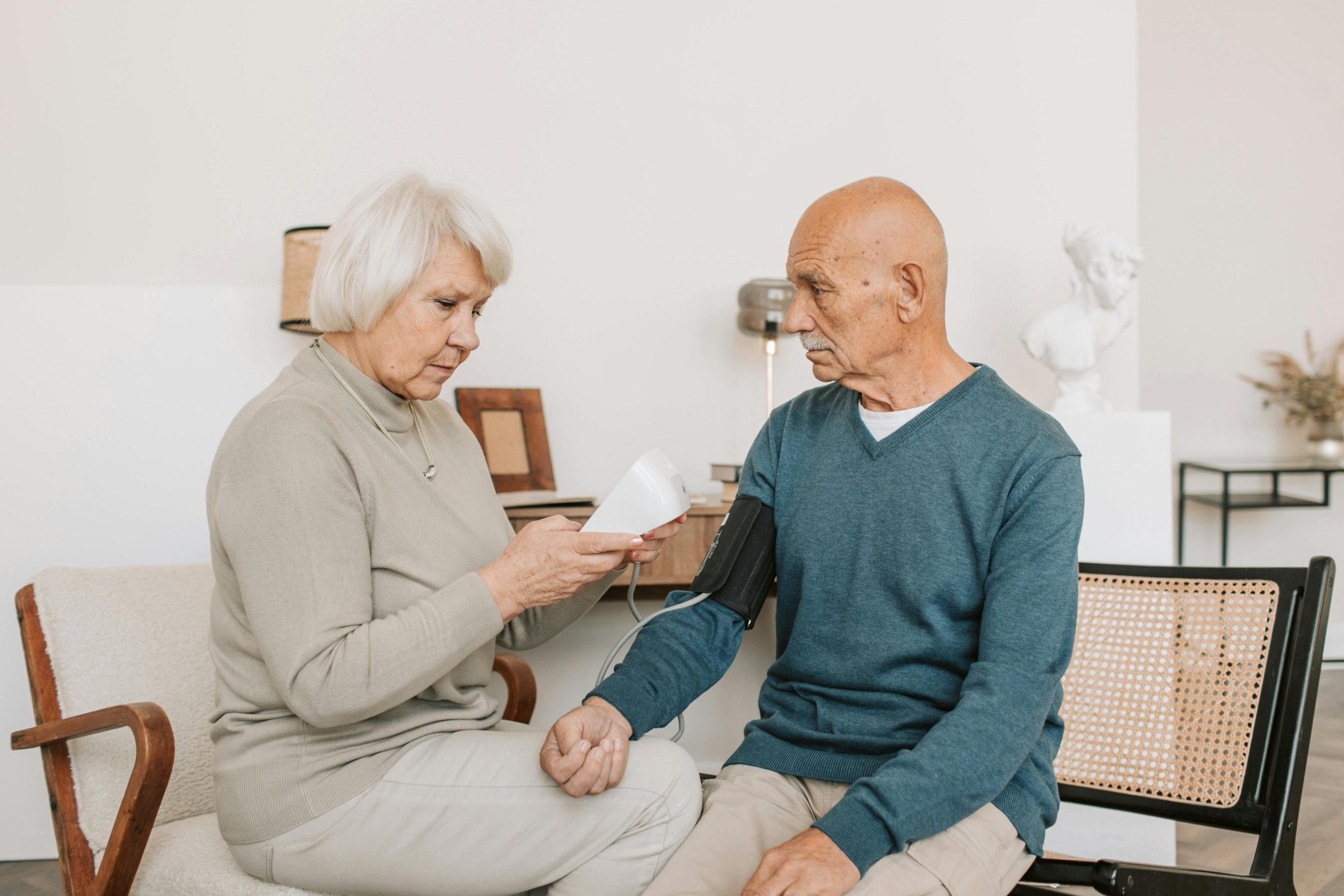
Programs that succeed long-term tend to share several defining characteristics:
- Integrated Medical Care
- Coordinated teams of physicians, nurses, and specialists
- Preventive care that reduces emergencies and complications
- Social and Emotional Well-Being
- Community activities and mental health services
- Reduced isolation and improved emotional health
- Daily Living and Independence Support
- Help with meals, mobility, transportation, and personal care
- A focus on aging with dignity and autonomy
- Family and Caregiver Support
- Education, respite care, and ongoing communication
- Reduced caregiver burnout and stress
Together, these elements form what many experts consider a holistic adult care solution—one that supports the whole person, not just isolated health issues.
PACE in Action Across Colorado
Colorado offers several real-world examples of how PACE works on the ground:
- InnovAge Greater Colorado PACE – Serving Denver and Boulder communities
- Rocky Mountain PACE – Supporting older adults in El Paso County
- Senior CommUnity Care PACE – Providing services in Delta and Montrose counties
Each organization operates with the same core mission: deliver coordinated, person-centered care that allows older adults to live safely and comfortably in their own communities.
Why These Lessons Matter Beyond Colorado
The success of Colorado’s PACE program highlights a broader truth: fragmented systems create confusion, while integrated care builds stability. Communities that adopt models similar to PACE often see:
- Lower long-term healthcare costs
- Improved patient satisfaction
- Better health outcomes for aging populations
As healthcare systems continue to adapt to demographic changes, scalable and compassionate models like PACE offer a clear path forward.
Conclusion
A true complete care solution for adults goes beyond medical treatment—it connects health services, emotional support, daily living assistance, and caregiver resources into one seamless experience. Colorado’s PACE program shows what’s possible when care is coordinated, community-based, and deeply human.
For families, caregivers, and organizations looking to improve adult care systems, the lesson is clear: integrated models aren’t just better—they’re necessary.…